BFK 65th Anniversary | 20.09.2026 | Victim (1961)
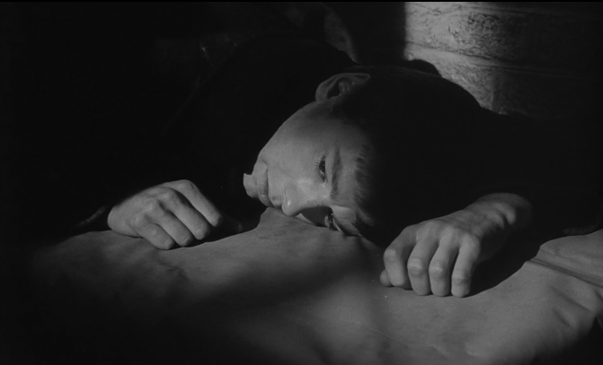
This film is part of a triple (!) bill to celebrate Bergen Filmklubb's 65th Anniversary
INFO:
Visningsformat: DCP
Regissør: Basil Dearden
Manusforfattere: Janet Green, John McCormick
Språk: Engelsk
Undertekst: Engelsk
Lengde: 1 time & 41 minutter
ENG:
As part of the triple bill to celebrate BFK 65th anniversary we would like to showcase a film of importance regarding homosexuality in film: Victim (1961), directed by Basil Dearden and written by the couple Janet Green and John McCormick.
Meville Farr (Dirk Bogarde) is a successful barrister who has a loving wife, Laura (Sylvia Syms). He is on the verge of becoming a Queen’s Counsel. One day, a phone call from Jack “Boy” Barrett (Peter McEnery), a young working class gay man who Farr had a romantic relationship with, tries to tell him of a photo that was taken of them where Barrett is crying and Farr’s arm is around him. Farr, now thriving, thinks that the call is blackmail, and tells Barrett to not call him again. It’s revealed that Barrett has been blackmailed, and stole £2,300 to pay the blackmail. Farr, finding out later about Barrett’s situation, tries to find more victims that have been blackmailed, and bring the blackmailers to justice.
Victim (1961) is the first British film to explicitly name “homosexuality” and deal with it in a sympathetic manner. However, during the production and the film’s release, it was not an easy task. The film had to be completed in 10 days, many actors turned down the role of Meville Farr, and the rating board's “British Board of Film Censors” (BBFC), gave the film an “X” rating for its subject matter. The rating is more attributed to eroticas and horror films.
Victim as a film is not a “conclusion” in how to portray its subject matter, but rather a stepping stone to representation of homosexuality within film. For that, it is quite commendable in what it managed to portray, especially at that time. Instead of using homosexuality as a comedic trope which was common back then, it rather told its story as barebones and straightforward as possible (with its flair of thriller and neo-noir filmmaking), as well as making the audience engaged and aware of their struggle.